
Evaluation of antibiotic prescribing in dental practices in Mecklenburg-Western Pomerania and a comparison with national and international prescribing practices – a retrospective look at the situation in 2015
Marja Tellez Sanz 1Nils-Olaf Hübner 2
Bilal Al-Nawas 3
Axel Kramer 2,4
1 Dental practice, Egg, Austria
2 Institute of Hygiene and Environmental Medicine, University Medicine Greifswald, Greifswald, Germany
3 Oral and Maxillofacial Surgery, Johannes Gutenberg University, Mainz, Germany
4 Section Antiseptic Stewardship of the German Society of Hospital and General Hygiene, Germany
Abstract
Introduction: The aim of this study was to evaluate the antibiotic prescribing practices of dental practitioners and dental clinics in Mecklenburg-Western Pomerania with regard to therapeutic and prophylactic indications, microbiological diagnostics, level of knowledge, and factors influencing prescribing behavior, to draw conclusions for antibiotic stewardship (ABS).
Method: The study was conducted as a cross-sectional survey and included all private dental practices which could be contacted via the Mecklenburg-Western Pomerania Dental Association, as well as university and hospital dental clinics. The questionnaire included sociodemographic data, therapeutic and prophylactic antibiotic prescriptions, selection of antibiotics, usage of microbiological diagnostics, knowledge levels, and factors influencing prescribing behavior. Data collection took place in 2015 via post.
Results: Of 1,470 dentists contacted, 533 took part in the survey (response rate 36.3%). The majority stated that they prescribed 1–3 antibiotics per week. Clindamycin was the most commonly used antibiotic for odontogenic abscesses, apical periodontitis, peri-implantitis and osteomyelitis, followed by amoxicillin. For acute necrotizing ulcerative periodontitis and acute necrotizing ulcerative gingivitis, metronidazole was the preferred choice, followed by amoxicillin and clindamycin. 58.1% of participants recommended antibiotic therapy for 5 days, 34.5% for 3–5 days, and 7.4% for 1–3 days. 71% of participants stated that they did not request microbiological testing prior to antibiotic therapy, and only 28.3% would order an antibiogram if the antibiotic had no effect.
Personal experience and the current resistance profile were named as the most important factors influencing prescribing behavior. 91.2% of dentists were not influenced by patient expectations. For 71.5%, price was not a factor. There was a significant correlation between the number of years in practice and prescribing frequency, in which younger and more experienced dentists tending to be more cautious in their prescribing. 44.8% of respondents rated their knowledge of antibiotic stewardship (ABS) as satisfactory, 33.8% as good and 6.2% as very good. 90.0% of participants stated that their last training course on ABS had taken place 1–3 years ago. 91.9% would attend a training course (again).
The indication for endocarditis prophylaxis was largely restricted to high-risk patients, whereas antibiotic prophylaxis in patients with large-joint prostheses was not limited to risk-based indications.
Discussion: The prescribing patterns did not align with current guidelines. The low usage of microbiological diagnostics indicates further room for improvement in the implementation of ABS.
The importance of personal experience as a key influencing factor in antibiotic prescribing underscores the need to regularly organize targeted training initiatives to implement regional ABS programs.
Conclusion: The rational prescribing of antibiotics in dentistry is not merely a technical challenge in its own right, but part of global efforts to combat antibiotic resistance. Every prescribing decision should contribute to preserving efficacy for future generations. The key to responsible and sustainable antimicrobial therapy in dentistry lies in combining scientific evidence, clinical expertise, and an understanding of regional specificities.
Keywords
cross-sectional survey, Mecklenburg-Western Pomerania, prescription of antibiotics, influencing factors, level of knowledge, microbiological diagnostics, antibiotic stewardship
Introduction
Antibiotics are among the most commonly prescribed medicines in dental practice [1]. In 2010, the proportion of antibiotic prescriptions issued by dentists in the outpatient-care sector accounted for 7.8% of all outpatient antibiotic prescriptions in Germany [2]. In 2022, this proportion had risen significantly to 11% of all outpatient antibiotic prescriptions in Germany [3] and was roughly in line with the global average of 10% [4]. However, the problem is not the proportion of antibiotics prescribed compared to all other medical specialities, but rather the practice of prescribing, as up to 90% of prescriptions were deemed inappropriate [4].
There is limited data on prescribing practices in Germany. A 2009 study conducted in northern Germany identified the following main shortcomings: lack of microbiological testing prior to antibiotic treatment, excessive preference for clindamycin, excessive duration of treatment, and discrepancy between perceived and actual adherence to guidelines [5]. To expand the data available on prescribing practices in Germany as a basis for the further implementation of antibiotic stewardship (ABS), the results of a survey conducted in Mecklenburg-Western Pomerania are presented and discussed below, despite the fact that the data were collected in 2015, for the following reasons:
- This is the first study to analyze the antibiotic prescribing practices of dentists in Mecklenburg-Western Pomerania. The findings not only provide an important snapshot of dental prescribing practices but could also serve as a basis for identifying the potential for improvement in ABS.
- The questionnaire developed, including its implementation, can serve as a model for future studies, and the data collected can be used for comparison in future studies.
Method
Study design
The cross-sectional survey questionnaire was developed in a multi-stage process and was designed so that it could be completed within 15 minutes without the need for external tools. The questionnaire items are based on the following sources:
- A literature review was conducted to identify previous studies on comparable topics, and established item wording was adapted.
- The Recommendation of the German Society of Dentistry, Oral and Maxillofacial Medicine (DGZMK) on the integration of professional society guidelines and recommendations were intended to ensure the content validity and clinical relevance of the questionnaire items.
- Items were generated with the involvement of dental experts from the Center for Dentistry, Oral and Maxillofacial Medicine at the University Medicine Greifswald (UMG).
The questions were formulated in accordance with established principles of questionnaire design, using clear, unambiguous language, avoiding double questions, employing appropriate response scales, and ensuring a logical structure across the sections of the questionnaire. The questionnaire was designed to allow for intuitive navigation and completion, thereby optimizing data quality.
The extent to which the questionnaire items covered and accurately represented the construct being measured was ensured through a structured expert review process performed by staff at the Center for Dental, Oral and Maxillofacial Medicine at the UMG. Prior to the main survey, a pre-test was conducted with 11 dentists from the same Center at UMG to assess the following quality dimensions of the survey instrument:
- Checking whether all questionnaire items are clearly understood by the target group,
- identifying missing response categories or relevant subject areas,
- empirical verification of the target completion time of 15 minutes,
- reviewing the layout, filter navigation and response formats.
The final questionnaire is included in the attachment. As the issue of antibiotic prophylaxis was not adequately addressed in the first questionnaire, a follow-up survey on this topic was conducted during the continuing professional development weekend at the 24th Dental Refresher Education of the Dental Association of Mecklenburg-Western Pomerania in September 2015.
Ethical considerations and data protection
The study was conducted with the approval of the Ethics Committee of University Medicine Greifswald (internal registration number: BB 110/14). Participation in the study was voluntary. In the cover letter, participants were provided with comprehensive information about the aim, purpose, and procedure of the study. Written assurance was provided that all collected data would be kept completely anonymous and that the study data would be used exclusively for scientific purposes. Anonymity was ensured by using return envelopes with no sender details and by separating address details from questionnaire responses.
Target population and inclusion criteria
The sample size was planned as a census of all dentists practicing in Mecklenburg-Western Pomerania via the following institutions:
- Dentists in private practice, contacted via the Mecklenburg-Western Pomerania Dental Association,
- Center for Dental, Oral and Maxillofacial Medicine at the UMG,
- clinic and outpatient clinic for Dental, Oral and Maxillofacial Medicine at the Rostock University Hospital
- Clinic for Oral and Maxillofacial Surgery at the Dietrich Bonhoeffer Clinic in Neubrandenburg,
- Clinic for Oral and Maxillofacial Surgery at the HELIOS Clinic in Schwerin.
Survey period and distribution
The data were collected in spring 2015. The survey materials were sent out on 5 March 2015 by the Mecklenburg-Western Pomerania Dental Association. The study materials comprised:
- Cover letter: A detailed description of the study, information on the aim and purpose of the research, and assurance regarding anonymity and data protection,
- questionnaire: a six-page survey form,
- return envelope: A DIN-Lang (business letter) return envelope with the address and the note ‘Postage paid by recipient’ to ensure free return.
Study participants were given a response deadline of three weeks. To preserve anonymity, no recall procedure was carried out.
Additional sample
At a refresher continuing education course, organized by the Dental Association of Mecklenburg Wester-Pomerania in September 2015, participants were given a questionnaire – again anonymized – containing additional questions relating solely to antibiotic prophylaxis.
Data management and quality assurance
Once the submission deadline had passed, the returned questionnaires were subjected to a structured digitization process. The data were entered by three trained, independent staff members into a standardized PDF data entry form.
Following initial data entry, a systematic data synchronization was carried out using a standard operating procedure (SOP) to identify potential data entry errors, inconsistencies and plausibility violations. The errors identified by the SOP were corrected using the statistical software IBM© SPSS© Statistics Version 22. The errors were corrected by referring back to the original questionnaires to ensure the authenticity of the data.
The study began by conducting a systematic analysis of the pattern of missing values to distinguish between different mechanisms of data loss. The analysis of missing values and the decision on appropriate treatment strategies (listwise deletion, pairwise deletion, imputation) were carried out on a variable-by-variable basis, taking into account the proportion and pattern of missing values [6].
Statistical analysis methods
The data were analyzed using Microsoft Office Excel© 2010 and IBM© SPSS© Statistics Version 22.
The descriptive data were presented according to the scale level of the following variables:
- Categorical variables (nominal and ordinal scales) with absolute frequencies (n), relative frequencies (percentages) and cross-tabulations to illustrate bivariate distributions,
- metric variables (interval and ratio scaled) with mean (arithmetic mean) as a measure of central tendency, median as robust measure of central tendency, particularly for skewed distributions, standard deviation as measure of dispersion, and minimum and maximum to describe the range of values.
Inferential statistical methods
Although the study was primarily descriptive, inferential statistical methods were used where necessary to test for differences between groups and correlations. Depending on the measurement level of the variables, sample size, and fulfilment of the test requirements [7], the chi-squared test was used to compare categorical variables, Cramér’s V was used to test the independence in contingency tables with effect sizes, and Spearman’s rank correlation was used as a correlation analysis for ordinal variables or non-linear relationships.
Results
1. Characterization of the sample
Response rate
Of the 1,470 questionnaires sent out to dentists, 533 usable forms were returned. This gives a response rate of 36.3%.
Geographical distribution
54% of dentists worked in urban areas, 18.9% worked in rural areas, and 27.1% did not specify.
Sociodemographic characteristics
The age range was from 24 to 73 years (arithmetic mean 50.2). 60.7% of participants were female. 20.2% had obtained their licence to practice between 1981 and 1985, followed by the periods 1986–1990 and 1976–1980. 61.8% were self-employed in a solo practice. 14.5% worked in a group practice. Trainee dentists were under-represented in the sample at 2.3%, as were dentists from university institutions at 4.0%.
63.9% of participants had not completed dental-specialist training, including 11.8% of practice owners. 18.0% were specialists in general dentistry.
With regard to specialization, 73% did not specify a particular field, 25% specialized in a dental field, and 2% did not provide any information. Implantology was the most common specialization, followed by pediatric dentistry and periodontology.
Patient volume
For 45.6% of respondents, the weekly patient volume was between 50 and 100 patients. 29.6% stated that they treated between 100 and 150 patients per week.
2. Prevalence of odontogenic infections
50.49% of respondents stated that odontogenic abscesses occur frequently, 27.51% classified this diagnosis as occasional, and 21.57% as rare (Figure 1 [Fig. 1]).
Figure 1: Information on the prevalence of dental diagnoses 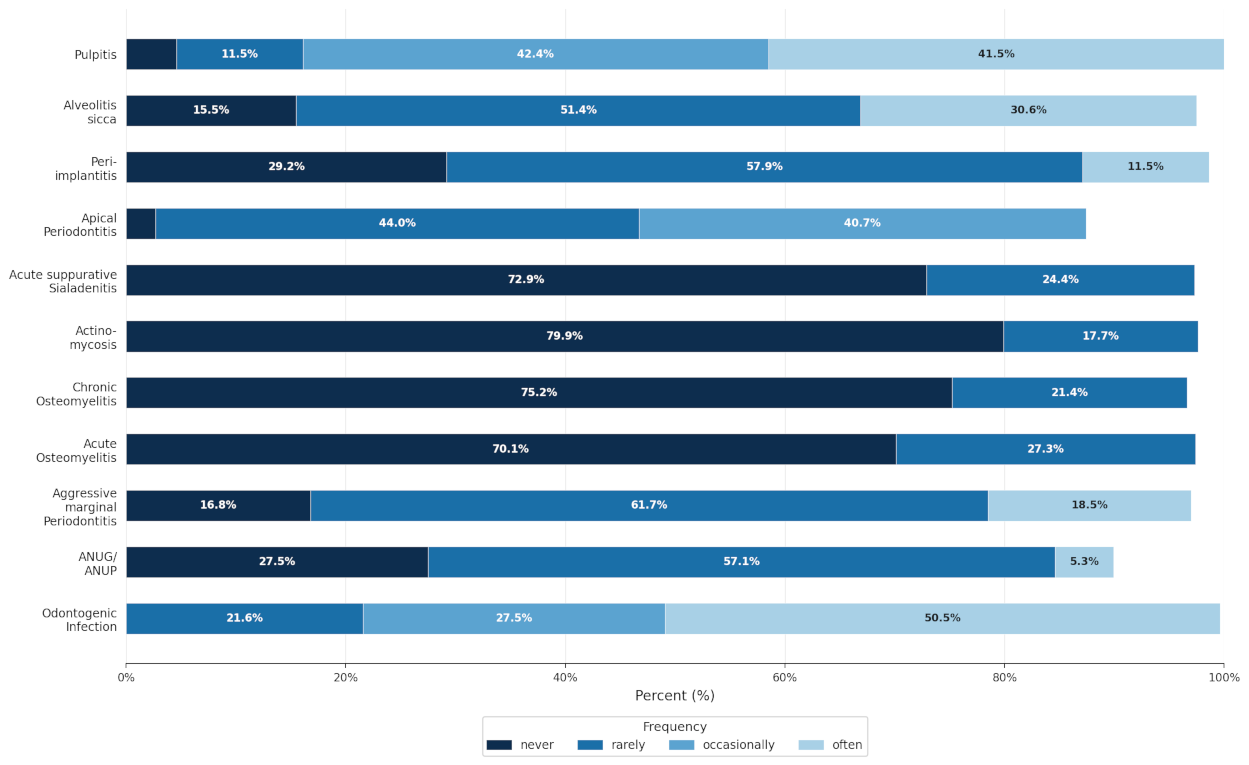
3. Antibiotic prescriptions for therapeutic purposes
Prescription frequency
67.3% of participants prescribed 1–3 antibiotics per week (Figure 2 [Fig. 2]). Only 1.1% prescribed 6–10 or more than 10 antibiotics per week. With an average prescription rate of 1–3 antibiotics per week and a patient caseload of 50–150 patients, this results in a prescription rate of approximately 1–3% of all patients treated.
Figure 2: Antibiotic prescriptions peer week 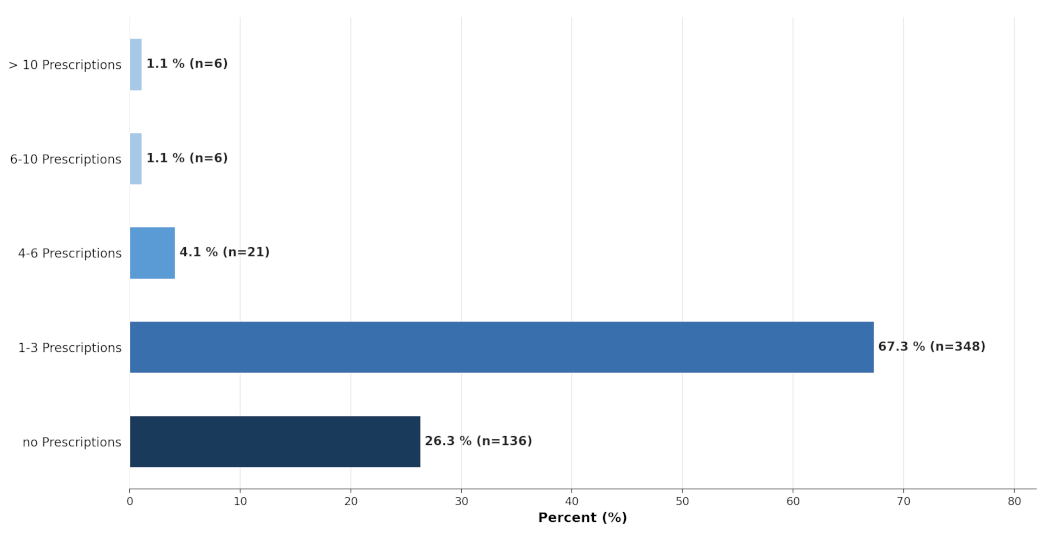
Prescription patterns by indication
It is striking that clindamycin was the preferred first-line antibiotic for odontogenic infections (Table 1 [Tab. 1]). A diagnosis-specific analysis of data on antibiotic prescriptions revealed significant variations. For odontogenic abscesses, clindamycin was the most commonly prescribed antibiotic (22.6%), followed by amoxicillin (8.5%). For apical periodontitis, clindamycin was prescribed in 16.8% of cases and amoxicillin in 7.1%. In cases of aggressive marginal periodontitis, the following three antibiotics were frequently mentioned: metronidazole (13.8%), amoxicillin (12.1%), and clindamycin (5.1%). For acute necrotizing ulcerative gingivitis (ANUG), 15.0% of dentists chose metronidazole, 9.2% chose amoxicillin, and 8.5% chose clindamycin. For osteomyelitis, clindamycin was regarded as the first-line treatment, with 23.6% stating that they prescribed this antibiotic very often, whilst amoxicillin was favored by 5.6% of dentists. For the diagnosis of sialadenitis, the preferred choice was clindamycin and amoxicillin (both at 9%). Cefadroxil, cephalexin, erythromycin, levofloxacin, and roxithromycin were not considered in any case.
Table 1: Decision (%) regarding the choice of antibiotics* for the clinical conditions listed in the questionnaire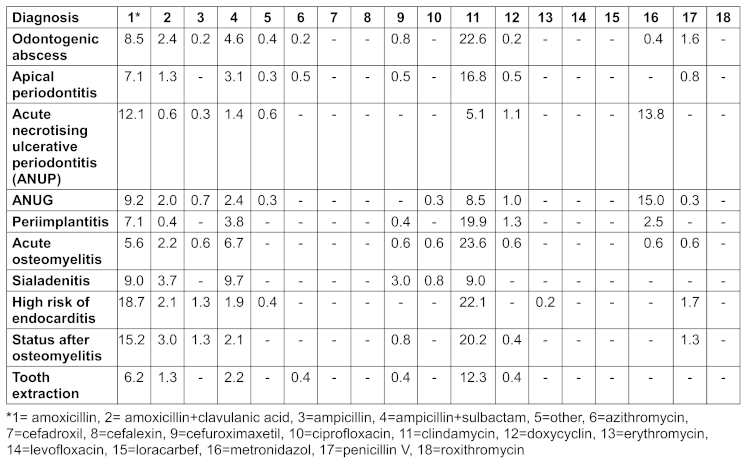
Duration of treatment
58.1% of respondents recommended a treatment duration of more than 5 days, 34.5% considered a treatment duration of 3–5 days to be sufficient, and 7.4% recommended a course of antibiotics lasting 1–3 days.
4. Antibiotic prescriptions for prophylactic purposes
For patients who had undergone
- heart transplantation with valvular heart disease,
- prosthetic heart valve replacement and
- for those who had suffered from infective endocarditis, prophylactic antibiotics before dental interventions were considered necessary in 77–82% (Table 2 [Tab. 2]).
Table 2: Decision on indications for prophylactic antibiotic administration before dental interventions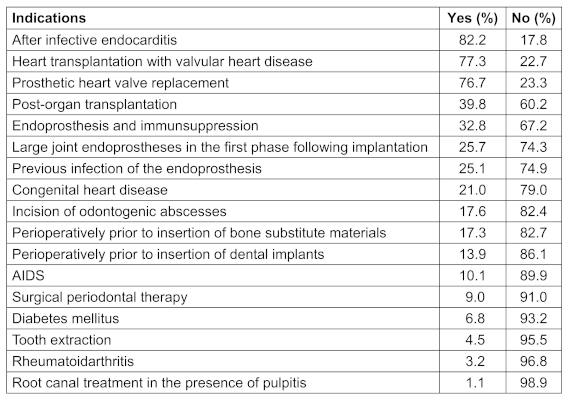
In contrast, antibiotic prescription was deemed unnecessary in 1–33% given the following:
- congenital heart disease
- during root canal treatment in the presence of pulpitis
- during surgical periodontal therapy
- during the incision of odontogenic abscesses
- perioperatively prior to tooth extraction
- perioperatively prior to the insertion of dental implants
- perioperatively prior to the insertion of bone substitute materials
- in patients with diabetes mellitus
- rheumatoid arthritis
- AIDS
- post-organ transplantation
- patients with large-joint endoprostheses in the first phase following implantation
- following a previous infection of the endoprosthesis that was successfully treated or
- in cases of concurrent immunosuppression (Table 2 [Tab. 2]).
For patients at risk of endocarditis, following organ transplantation, and prior to tooth extraction in the presence of periodontal disease, clindamycin was considered the drug of choice, followed by amoxicillin (Table 3 [Tab. 3]).
Table 3: Choice of antibiotic for prophylactic indications
Additional sample
The survey on further indications for antibiotic prophylaxis (18 participants) also demonstrated various responses (Table 4 [Tab. 4]).
Table 4: Frequency of the decision to prescribe antibiotics for selected diagnoses before dental interventions (n=18)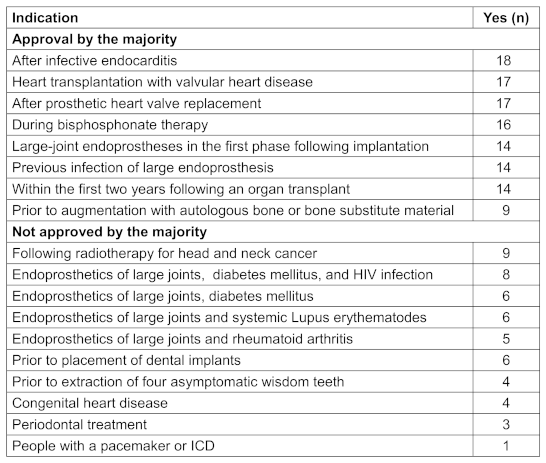
5. Microbiological diagnostics
70.9% of participants stated that they do not request a microbiological test when the therapeutic use of an antibiotic is indicated. 6.2% of participants did not answer the question. Among the diagnoses for which microbiological testing was deemed necessary, chronic marginal periodontitis ranked first at 35.6%, followed by ANUP at 26.5%, and ANUG at 11.4%. If the prescribed antibiotic treatment proved ineffective or a recurrence developed after a short time, 7.6% of dentists ordered microbiological diagnostics again (Figure 3 [Fig. 3]). If the antibiotic proved ineffective, 28.3% of participants felt it was necessary to request an antibiotic susceptibility test, 33.4% felt it was necessary to prescribe a new antibiotic, and 6.9% felt it was necessary to prescribe an additional antibiotic. 12% of responses were divided between actions such as referral and extending the duration of treatment. 19.3% did not answer this question.
Figure 3: Assessment (%) of need for microbiological testing for different diagnoses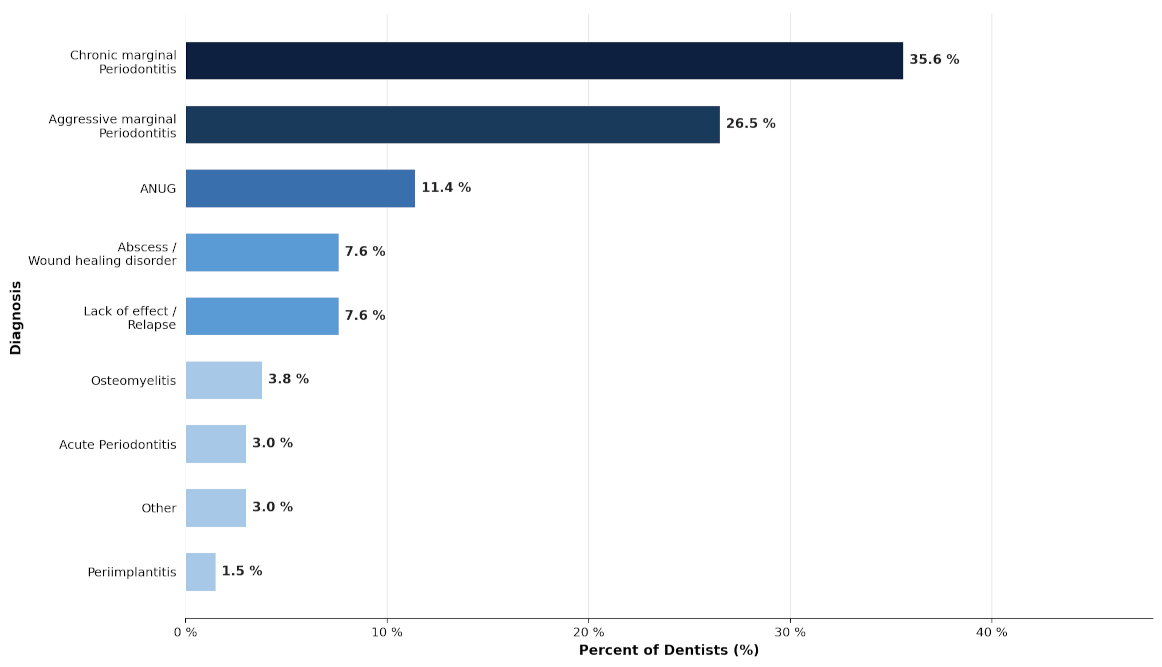
Analysis using the chi-squared test revealed a significant association between the type of practice and the use of microbiological diagnostics (χ²=15.234, df=6, p=0.019) with an effect size of Cramér’s V=0.169 (weak effect), i.e., university hospitals made use of these diagnostic tests more frequently (Figure 4 [Fig. 4]).
Figure 4: Use of microbiological diagnostics in antibiotic therapy, depending on the type of practice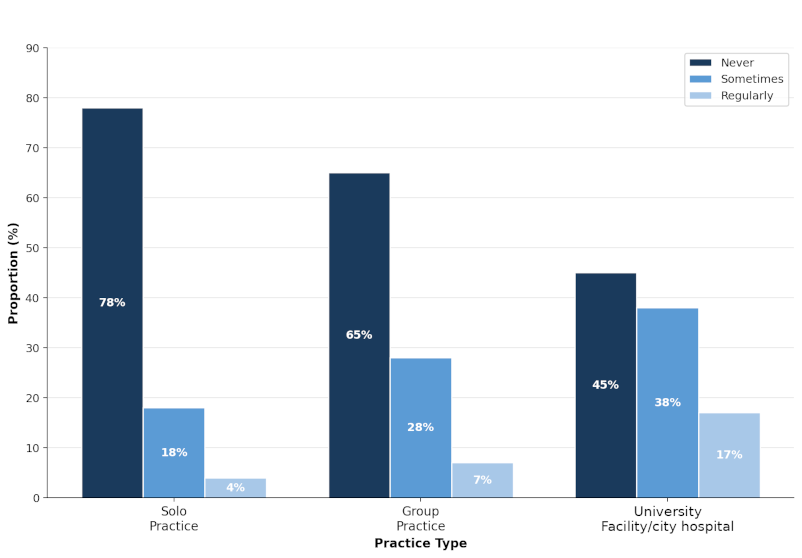
6. Level of knowledge and continuing education
44.8% of the participants surveyed stated that they had a satisfactory level of knowledge. 33.8% felt well informed and 6.2% felt very well informed. 10.9% rated their level of knowledge as adequate to poor (Figure 5 [Fig. 5]).
Figure 5: Self-assessment of knowledge regarding the prescription of antibiotics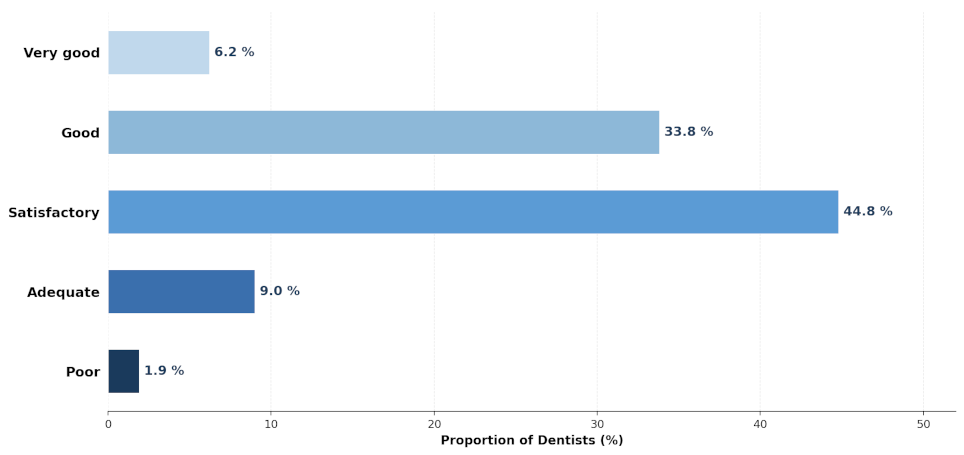
90% of participants stated that their last training course on ABS had taken place 1–3 years ago. 91.9% would be willing to attend a training course. Of these, the majority indicated that they were interested in regular continuing education courses that were independent of the pharmaceutical industry and that took developments in the resistance situation into account.
7. Factors influencing prescribing behavior
54.8% of participants stated that the day of the week had no influence on their prescribing behavior, whereas 29.1% answered in the affirmative. Of those who reported a temporal influence, 11.6% tended to prescribe the antibiotic towards the end of the week, whilst 21.0% did so before public holidays, and 21.0% during on-call duty (Figure 6 [Fig. 6]).
Figure 6: Factors influencing prescribing behavior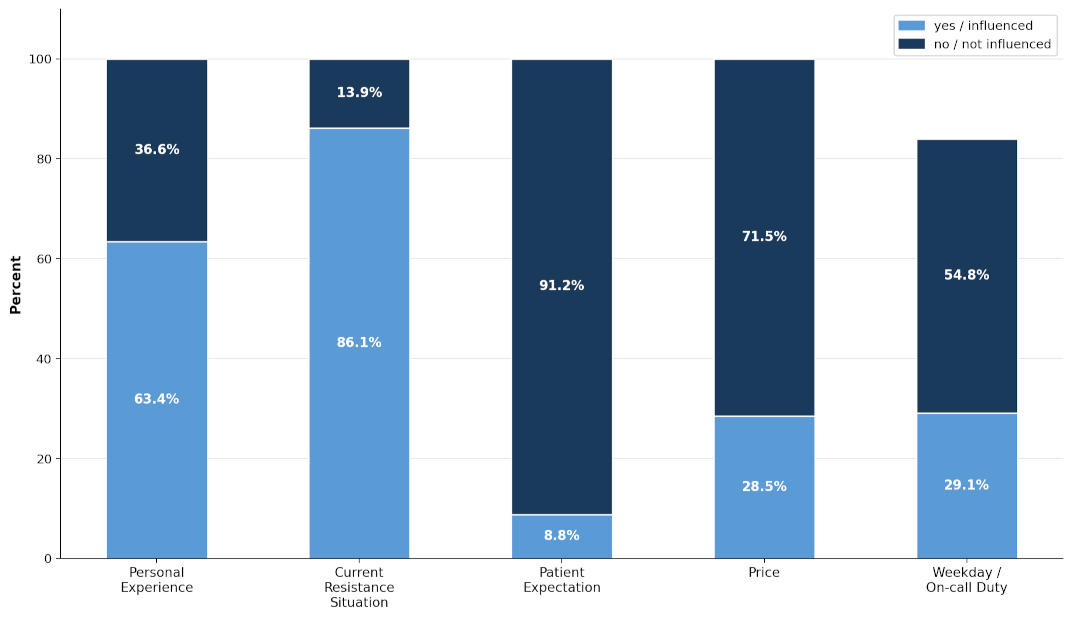
63.4% of participants stated that personal experience influences their prescribing behavior. 86.1% took the current resistance profile into account. 91.2% were not influenced by patients’ expectations, and for 71.5% price was not a factor in prescribing (Figure 6 [Fig. 6]).
Analysis using the chi-squared test revealed a significant association between considering resistance patterns and the use of microbiological diagnostics (χ²=18.456, df=4, p=0.001), with an effect size of Cramér’s V=0.186 (weak effect).
67.3% of the participants stated that they prescribed 1–3 courses of antibiotics per week. 4.1% prescribed 4–6 courses of antibiotics and 1.1% prescribed more than 10 courses of antibiotics per week (Figure 7 [Fig. 7]). Analysis using the chi-squared test revealed a highly significant association between the number of years in practice and the frequency of prescribing (χ²=48.339, df=20, p=0.000). The effect size according to Cramér’s V was 0.213, which corresponds to a small to moderate effect.
Figure 7: Prescription frequency by years of professional experience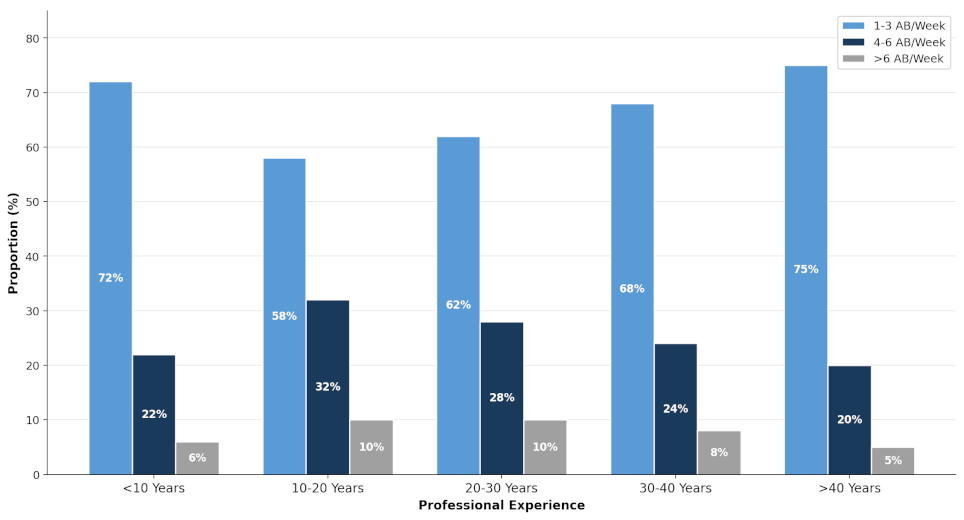
The analysis revealed a significant association between the year of licensing and the choice of first-line antibiotic (χ²=78.088, df=50, p=0.007), with an effect size of Cramér’s V=0.192 (weak effect). Dentists who qualified in the 1980s and early 1990s showed a stronger preference for clindamycin, while younger dentists more frequently cited amoxicillin as their first-choice antibiotic (Figure 8 [Fig. 8]).
Figure 8: Choice of first- or second-line antibiotic by year of licensing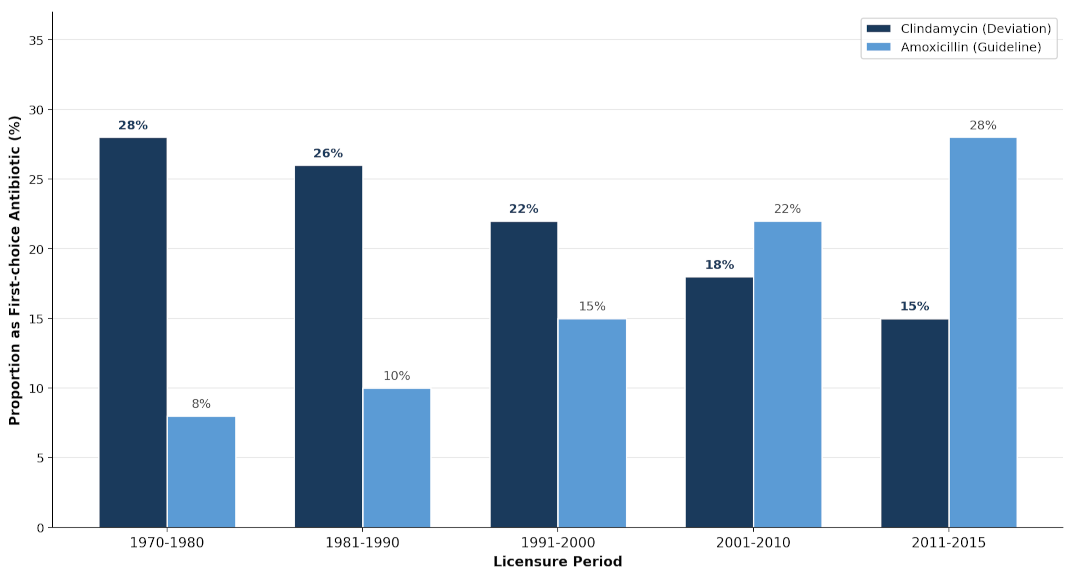
Analysis using the chi-squared test revealed a highly significant association between the number of years in practice and the duration of therapy (χ²=42.969, df=20, p=0.002), with an effect size of Cramér’s V=0.201 (small to moderate effect) (Figure 9 [Fig. 9]).
Figure 9: Relationship between the duration of antibiotic treatment and years of professional experience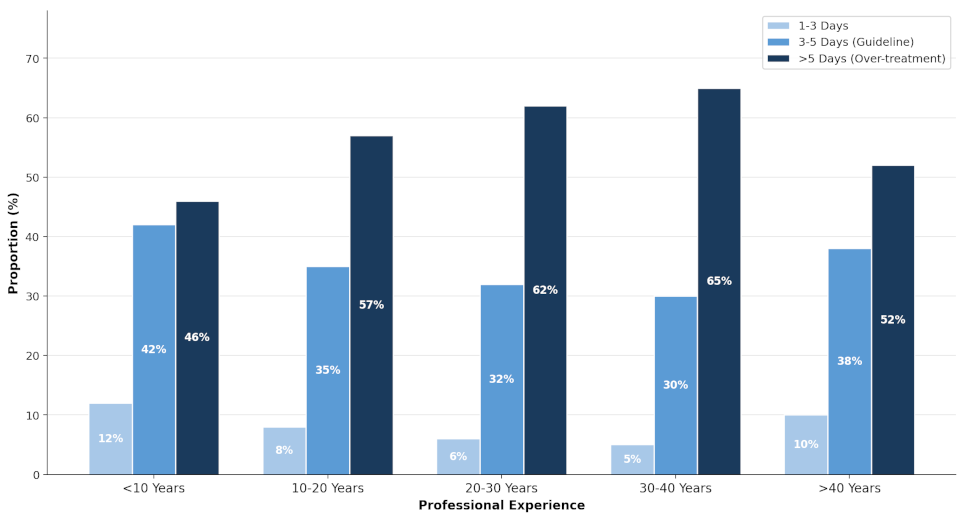
The association between gender and prescription frequency was also found to be significant (χ²=14.046, df=5, p=0.015); female dentists showed a slight tendency to prescribe more cautiously. The effect size, as measured by Cramér’s V=0.162, classified as weak.
Analysis using the chi-squared test revealed a significant association between the level of knowledge regarding antibiotic prophylaxis and the number of years of professional experience (χ²=31.456, df=15, p=0.008) with an effect size of Cramér’s V=0.172 (weak effect) (Figure 10 [Fig. 10]). Analysis using Spearman’s rank correlation revealed a significant negative correlation between the number of years in practice and self-assessed level of knowledge (rs=–0.156, p=0.000). This negative correlation suggests that, as the number of years of professional experience increases, self-assessed knowledge levels tend to decline. This could indicate changes in the content of continuing education programs or a growing awareness of knowledge gaps as expectations rise.
Figure 10: Relationship between professional experience and self-assessed level of knowledge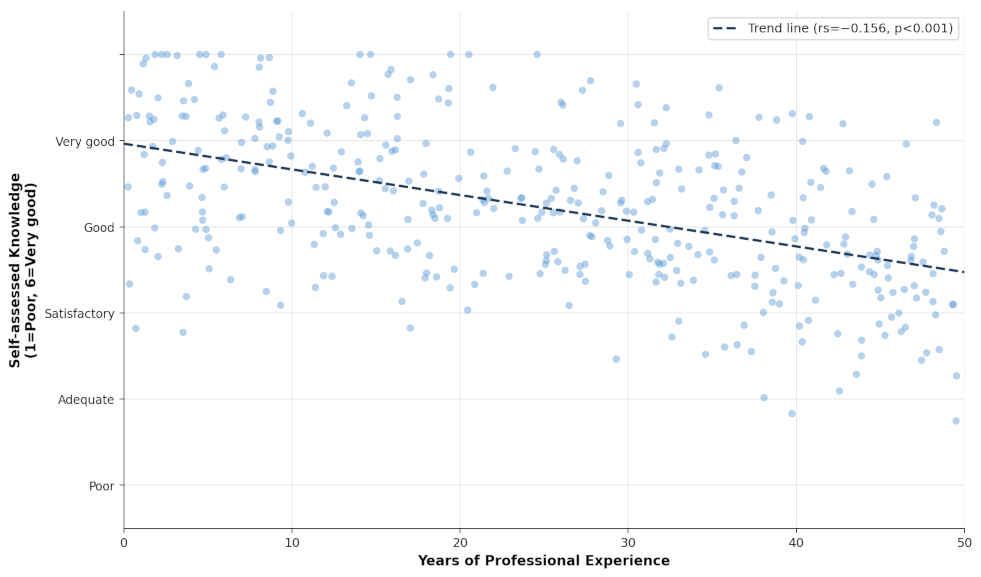
Analysis of use of information sources revealed that 67.5% of participants use specialist literature as their primary source of information, followed by continuing professional development (58.3%) and guidelines (52.7%). Only 23.4% stated that they regularly keep themselves informed about current resistance data. The chi-squared test revealed a significant association between knowledge levels and guideline compliance in the choice of antibiotics (χ²=28.734, df=12, p=0.004) with an effect size of Cramér’s V=0.164 (weak effect), i.e., participants who felt well-informed were significantly more likely to prescribe in accordance with guidelines.
8. Use of oral antiseptics
83.5% of participants stated that they used oral antiseptics during treatment, regardless of whether antibiotics were prescribed. 6.0% did not use them, and 10.5% did not provide an answer. Chlorhexidine-based antiseptics were used in 60.4% of cases, 27.9% used other mouthwashes, and 4.7% used octenidine-based oral antiseptics.
The analysis revealed a significant association between the use of oral antiseptics and the frequency of antibiotic prescriptions (χ²=12.345, df=5, p=0.030), with an effect size of Cramér’s V=0.152 (weak effect).
Discussion
1. Method
The questionnaire was developed in line with established standards, with the aim of creating a survey instrument that adequately operationalizes the research questions, is understood by participants, and enables reliable measurements. In the multi-stage, iterative process, comprising literature review, consideration of national and international guidelines, and a structured expert review, a consensus was reached on the appropriateness of all questionnaire components. The supplementary pre-test, conducted with a sample of 11 dentists using a cognitive debriefing procedure, enabled the identification of comprehension issues, ambiguous wording, and unclear response categories. The sample size of 11 participants falls within the minimum size of 10–15 participants recommended in the methodological literature for cognitive pre-tests [8].
A key element of quality assurance was the implementation of the double data-entry process. By having data entered by three independent individuals, checked by two people, and systematically screened for errors, data quality was ensured and both systematic and random errors in data collection were minimized.
2. Results
Response rate
With a response rate of 36.3%, a high participation rate was achieved for a dental survey. Comparable dental survey studies on antibiotic prescribing behavior showed significantly lower participation rates. For instance, a Europe-wide, multi-country study on antibiotic prescribing in implantology achieved a response rate of only 4.4% [9]. In Turkey, a nationwide survey on antibiotics for endodontic infections recorded a response rate of 5.6% [10]. In Lithuania, the response rate for a study on odontogenic infections was 13.6% [11]; in Serbia, for a study on endodontic infections, 25.2% [12]; and in Croatia, in a study on antibiotic prescribing patterns in endodontic and implant cases, 27% [13].
Frequency of prescribing
The frequency of prescribing 1–3 antibiotics per week was 65.3%. By international standards, this suggests that participants were relatively cautious in their prescribing practices (Figure 11 [Fig. 11]), particularly as the data used for comparison from other countries were published 10 years later – i.e., at a time when the inappropriate use of antibiotics had become an increasingly significant issue worldwide. Neves et al. [14] reported significantly higher prescription rates in Brazil, identified considerable gaps in knowledge, and called for continuing education programs. Skučaitė et al. [11] also found higher prescription rates in Lithuania, particularly for endodontic treatments, and emphasized the need to align prescribing practices with international guidelines.
Figure 11: Comparison of prescription rates in Mecklenburg-Western Pomerania with data from Lithuania [11], Brazil, [14], South-Eastern Europe [26] and Saudi Arabia [29]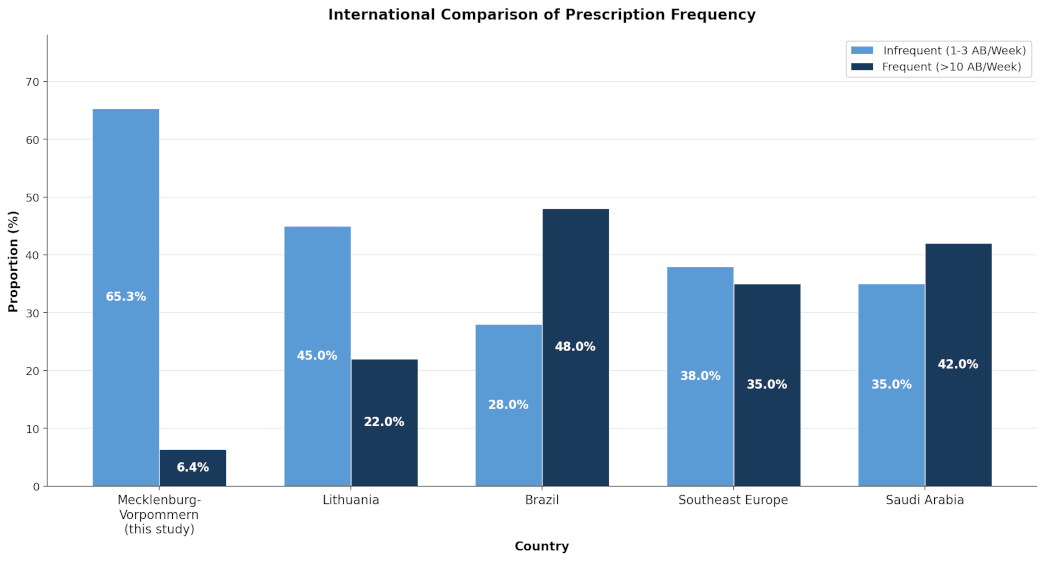
The correlation between prescription frequency and years of professional experience suggests that professional experience influences prescribing behavior. The effect size, as measured by Cramér’s V, was 0.213, which corresponds to a small to moderate effect. Interestingly, it was found that both very young and very experienced dentists tended to prescribe more cautiously, while the group with moderate experience (10–25 years of practice) had higher prescription rates. This may suggest that younger dentists benefit from more up-to-date training content that places greater emphasis on ABS, while experienced dentists may have adopted a more restrictive prescribing behavior as a result of many years of clinical experience and continuing education.
The fact that participants who received their medical licenses in the 1980s and early 1990s showed a stronger preference for prescribing clindamycin, while younger participants more frequently cited amoxicillin as their first-choice medication, underscores the importance of ongoing continuing education to keep knowledge up to date.
The tendency for female dentists to be more cautious in their prescribing practices is consistent with international findings [15]. This is attributed to differences in risk perception and treatment strategies.
Choice of antibiotics for therapeutic indications
The preference for clindamycin in Mecklenburg-Western Pomerania may be attributed to regional prescribing traditions and specific education programs, while there is no evidence of local resistance patterns. The preference for clindamycin requires targeted interventions to promote guideline-compliant prescribing practices. Amoxicillin should be established as first-line antibiotic for uncomplicated odontogenic infections, while clindamycin should be reserved for patients with penicillin allergy [16], [17]. The advantages of amoxicillin as first-line agent include excellent efficacy against the most common pathogens of odontogenic infections, a favorable side effect profile, a lower risk of C. difficile-associated diarrhea, as well as lower costs and reduced risk of resistance when used appropriately. In cases of penicillin allergy, clindamycin is the drug of choice; however, a careful allergy history is required, as true penicillin allergies are less common than is often assumed [1].
The DGZMK [16] and the Swiss Society for Oral Surgery and Stomatology [17] recommend amoxicillin as first-line treatment for uncomplicated odontogenic infections. The preference for clindamycin is problematic for the following reasons:
- The widespread use of clindamycin contributes to the selection of resistant pathogens, particularly among anaerobic oral flora [18].
- Clindamycin is intended as a reserve antibiotic for patients with penicillin or cephalosporin allergy and should not be used as a first-line agent in order to preserve its efficacy for this specific indication [19].
An international comparison reveals a mixed picture. While amoxicillin dominates in Anglo-Saxon countries [4], studies from Southern Europe and South America also report a marked preference for clindamycin [14]. The study by Albrecht et al. [20] confirmed amoxicillin as the most frequently prescribed antibiotic in dental practices throughout Germany, followed by clindamycin and metronidazole. The preference for metronidazole is consistent with the evidence, as this antibiotic is highly effective against anaerobic pathogens, which play a central pathogenic role in ANUG. For peri-implantitis, clindamycin was the most frequently selected antibiotic (19.9%), followed by amoxicillin (7.1%) [20].
Duration of treatment
The fact that more experienced dentists tend to prescribe treatment durations longer than 5 days may be due to outdated training content, as longer courses of antibiotics (7–10 days) were previously recommended based on the assumption that shorter treatments could lead to recurrence and the development of resistance. According to recent studies, a treatment duration of 3–5 days is sufficient for uncomplicated odontogenic infections [17]. This reduces the risk of side effects and the development of resistance [21]. In their analysis of German prescribing data, Cirkel et al. [22] emphasized the need to optimize treatment durations and align them with current evidence.
Similarly, excessively long treatment durations have been reported in Pakistan for endodontic emergencies [23] and among dental students in Turkey [24], with calls to improve the curriculum.
Factors influencing prescribing behavior
The reported consideration of the resistance profile in 85.7% of cases suggests a strong awareness of the issue of antibiotic resistance. Dentists who reported taking the resistance profile into account used microbiological diagnostics significantly more often, indicating a consistent awareness of ABS principles.
It is encouraging that 91% reported not allowing themselves to be influenced by patients’ expectations, whereas in Serbia, Bosnia, and Croatia, for example, patient pressure was identified as a factor contributing to inappropriate antibiotic prescribing [25]. The resistance to patient pressure observed in the present study should be regarded as a strength of the German dental profession and points to professional autonomy and an acute sense of responsibility.
Patterns in prescribing timing suggest a partially defensive prescribing practice that is determined not primarily by clinical indications but by organizational factors. For example, the increased tendency to prescribe before weekends and holidays could be attributed to uncertainty regarding availability and the ability to conduct follow-up examinations.
Microbiological diagnostics
The reported low use of microbiological diagnostics – including the fact that an antibiogram is requested in only 28.3% of cases of treatment failure – contradicts ABS guidelines, which recommend targeted, pathogen-oriented antibiotic therapy, particularly in cases of complicated infections or treatment failure, to counteract the development of resistance [26]. Dentists in group practices and university settings used microbiological diagnostics significantly more frequently than those in solo practices, which may be attributable to better resource availability and interdisciplinary collaboration.
The low rate of microbiological testing is not unusual by international standards. Similar shortcomings have been reported from Southeast Europe [25] and – regarding the ordering of antibiotic susceptibility testing – in Lithuania [11]. The literature cites time constraints, costs, lack of availability of microbiology laboratories, insufficient knowledge of specimen collection techniques, and the perception that empirical therapies are sufficient in most cases as the main barriers [26].
Promoting microbiological diagnostics, particularly in cases of complicated infections and treatment failure, is an important goal. Strategies for improvement include [3]
- training in specimen collection techniques: continuing education on proper specimen collection and shipping,
- simplifying access: establishing partnerships with microbiology laboratories,
- clear indications: defining situations in which microbiological diagnostics are indicated (severe infections, treatment failure, immunocompromised patients, atypical clinical courses),
- feedback systems: reporting resistance data back to prescribing dentists.
Antibiotic prophylaxis
While the recommendations for endocarditis prophylaxis were largely in line with guidelines, there is still a widespread international tendency to expand the indications [27]. The fact that younger dentists tended to show greater adherence to guidelines could indicate improvements in educational content.
In contrast, there was a trend toward broadening the indications for large orthopedic joint replacements, as 42% of participants reported administering antibiotic prophylaxis to all patients with replacements of in major joints, although guidelines recommend this only for high-risk patients during the first two years following implantation [28].
The discrepancy between better guideline adherence for endocarditis prophylaxis and poorer adherence for orthopedic joint replacements may be attributable to the fact that endocarditis prophylaxis has been established for decades and has been repeatedly refined, whereas the recommendations for prophylaxis in orthopedic joint replacements are more recent and less consistent. In addition, fear of medical-legal consequences in cases of periprosthetic infections could influence prescribing practices [15].
Level of knowledge and sources of information
The identified need for further training (only 40% felt well-informed) is consistent with international findings [29], [30], [31]. The self-assessment in this study is reflected in the observed deviations from guideline recommendations, particularly regarding antibiotic selection, duration of treatment, and microbiological diagnostics.
The fact that more experienced dentists assess their level of knowledge more critically may be due to a greater awareness of the complexity of the subject matter and the dynamics of guideline development. However, younger dentists may benefit from more up-to-date training content and therefore feel better informed.
The correlation between level of knowledge and guideline compliance in antibiotic selection, as well as the insufficient use of professional literature, guidelines, and continuing education, underscore the importance of high-quality continuing education programs and the need to improve access to current guidelines and resistance data.
The high willingness to participate in continuing education observed in this study provides an important starting point for targeted interventions. At the same time, the call for continuing education programs independent of the pharmaceutical industry underscores awareness of potential conflicts of interest and the need for evidence-based, independent information.
ABS
The results underscore the need to implement ABS programs in dental practice. The identified deviations from guideline recommendations – particularly regarding antibiotic selection, duration of treatment, and microbiological diagnostics – offer concrete starting points for ABS interventions. Programs that combine multiple ABS measures have a favorable impact on the development of resistance, costs, and consumption [32]. Sandulescu et al. [33] emphasized that ABS programs are effective in dentistry, but that implementation barriers exist, particularly in the following areas:
- Insufficient knowledge of current guidelines, resistance patterns, and optimal treatment strategies,
- lack of access to microbiological diagnostics, time constraints in clinical practice,
- uncertainty in decision-making, fear of complications, defensive prescribing,
- lack of institutional support and inadequate integration into clinical workflows.
The high willingness to participant in continuing education and the low susceptibility to patient pressure observed in this study should be viewed as favorable conditions for the implementation of ABS programs.
Use of oral antiseptics
Dentists who regularly use antiseptics tend to prescribe fewer antibiotics, which suggests a deliberate strategy to reduce antibiotic use, as the use of antiseptics often serves as an alternative or supplement to systemic antibiotic therapy and contributes to reducing antibiotic consumption [34].
Limitations
Timeliness
A significant limitation is that the study was conducted 11 years ago. As a result, the data collected represent only a historical snapshot of prescribing practices and the state of knowledge at that time. Nevertheless, the methodological approach, the survey instruments developed, and the challenges identified in implementing evidence-based prescribing practices remain relevant and can serve as a foundation for future regional and supraregional comparative studies.
Study design
Cross-sectional studies are a well-established method used especially when exploratory and descriptive research questions are the primary focus and the aim is to describe frequency distributions and associations between variables. However, cross-sectional studies cannot capture changes over time or shifts in prescribing behavior.
Questionnaire validation
Despite the systematic development and validation steps, no comprehensive psychometric validation of the questionnaire was conducted. Psychometric analyses require larger sample sizes and repeated measurements, which could not be carried out within the scope of this study. For future studies building on the developed instrument, such psychometric validation would be desirable in order to further optimize measurement quality and strengthen the scientific foundation of the survey instrument.
Regional specificity
Because the study is limited to Mecklenburg-Western Pomerania, its findings cannot be generalized to other regions of Germany. As a large, sparsely populated state with specific demographic characteristics, Mecklenburg-Western Pomerania exhibits features that are not representative of urban areas or other federal states.
Non-response issues and potential for bias
It is plausible to assume that dentists with a particular interest in the subject matter may have participated in the survey at a disproportionately high rate. This would lead to an overestimation of the average level of knowledge and guideline adherence in the overall population. Conversely, it is conceivable that dentists with comparatively low levels of knowledge or low guideline compliance avoided participating in order to avoid being confronted with their shortcomings, which would also lead to an overestimation of the actual situation. Alternatively, dentists with heavy workloads, who may also have less time for continuing education, could be underrepresented, which in turn would limit the generalizability of the results.
Other limitations
The study is based solely on self-reported data regarding prescribing behavior and not on an analysis of actual prescriptions (e.g., using health insurance data).
The study does not capture the local resistance situation in Mecklenburg-Western Pomerania or the clinical outcomes of antibiotic therapy (cure rates, complications, side effects).
The study focuses exclusively on the perspective of dentists. Taking the patient perspective into account (expectations, satisfaction, adherence) would provide a more complete picture of prescribing practices.
Conclusion
A comparison with results of prescribing practices among private-practice dentists in Northern Germany in 2009 revealed similar shortcomings regarding inadequate microbiological diagnostics, a preference for clindamycin, excessively long treatment durations, and a discrepancy between perceived and actual adherence to guidelines [5]. The fact that fundamental prescribing patterns have hardly changed despite increasing awareness of antibiotic resistance and improved availability of guidelines points to deep-rooted barriers that can only be overcome through coordinated measures at the individual, institutional, and health policy levels.
The study identifies both strengths and areas for improvement regarding ABS and underscores the need for a coordinated approach to the ongoing implementation of ABS at:
- The individual level: Dentists must update their knowledge, consistently follow guidelines, and critically reflect on their prescribing practices.
- The institutional level: Dental associations, professional societies, and universities must offer high-quality, evidence-based continuing education and ensure the dissemination of current guidelines.
- The system level: Health-policy makers must create framework conditions that promote rational antibiotic prescribing, including monitoring systems, facilitate access to microbiological diagnostics, and offer financial incentives for the implementation of ABS.
Notes
Authors’ ORCIDs
- Kramer A: https://orcid.org/0000-0003-4193-2149
- Hübner NO: https://orcid.org/0000-0002-6095-4936
- Al-Nawas B: https://orcid.org/0000-0002-7102-9746
Ethical approval
The study was approved by the Ethics Committee of the University Medicine Greifswald.
Funding
The study was conducted as part of the Health, Innovation Care & Regional Economy (HICARE) project, which was funded by the German Federal Ministry of Education and Research.
Acknowledgments
We would like to thank Kathleen Dittmann and Janine Krafczyk-Korth for their committed work and support on the HICARE project.
Competing interests
The authors declare that they have no competing interests.
References
[1] Lambrecht JT. Antibiotika in der zahnärztlichen Praxis. Berlin: Quintessenz; 2004.[2] Halling F. Zahnärztliche Antibiotikaverordnungen. Zwischen Anspruch und Wirklichkeit. Zahnärzt Mitt. 2010 May 1;100(9):50-5.
[3] Tolksdorf K, Freytag A, Bleidorn J, Markwart R. Antibiotic use by dentists in Germany: a review of prescriptions, pathogens, antimicrobial resistance and antibiotic stewardship strategies. Community Dent Health. 2022 Nov 30;39(4):275-81. DOI: 10.1922/CDH_00172Konrad07
[4] Teoh L, Löffler C, Mun M, Agnihotry A, Kaur H, Born K, Thompson W. A systematic review of dental antibiotic stewardship interventions. Community Dent Oral Epidemiol. 2025 Jun;53(3):245-55. DOI: 10.1111/cdoe.13009
[5] von Lübcke J. Evaluation der Rezeptierung von Antibiotika bei niedergelassenen Zahnärzten in Norddeutschland [dissertation]. Hamburg: Universität Hamburg; 2009.
[6] Weil KM, Weßlau TM, Magerfleisch LAI, Tröger H, Irmscher L, Bantel D, et al. Validity and reliability of the dental neglect scale in German. Dent J (Basel). 2025 May 21;13(5):225. DOI: 10.3390/dj13050225
[7] Ndagire B, Kutesa A, Kiiza DM, Barugahare J, Naidoo S, Rwenyonyi CM. Dentists’ perspectives, practices, and factors associated with informed consent process for fixed prosthodontic treatment: a cross-sectional study of Kampala metropolitan area, Uganda. BMC Oral Health. 2024 May 27;24:614. DOI: 10.1186/s12903-024-04380-W
[8] Willis GB. Cognitive Interviewing: A Tool for Improving Questionnaire Design. Thousand Oaks, CA, USA: Sage Publ.; 2005.
[9] Becker K, Gurzawska-Comis K, Klinge B, Lund B, Brunello G. Patterns of antibiotic prescription in implant dentistry and antibiotic resistance awareness among European dentists: A questionnaire-based study. Clin Oral Implants Res. 2024 Jul;35(7):771-80. DOI: 10.1111/clr.14285
[10] Deniz-Sungur D, Aksel H, Karaismailoglu E, Sayin TC. The prescribing of antibiotics for endodontic infections by dentists in Turkey: a comprehensive survey. Int Endod J. 2020 Dec;53(12):1715-1727. DOI: 10.1111/iej.13390
[11] Skucaite N, Stundzia L, Veberiene R, Brukiene V, Maciulskiene V. Antibiotic prescription for treatment and prevention of odontogenic infections: A cross-sectional survey of Lithuanian dentists. Medicina (Kaunas). 2024 Oct 24;60(11):1745. DOI: 10.3390/medicina60111745
[12] Drobac M, Otasevic K, Ramic B, Cvjeticanin M, Stojanac I, Petrovic L. Antibiotic Prescribing Practices in Endodontic Infections: A Survey of Dentists in Serbia. Antibiotics (Basel). 2021 Jan 12;10(1):67. DOI: 10.3390/antibiotics10010067
[13] Sović J, Šegović S, Pavelić B, Bago I, Šutej I, Tomašić I. Patterns of antibiotic prescription in endodontic therapy in the Republic of Croatia. Antibiotics (Basel). 2024 Jul 12;13(7):645. DOI: 10.3390/antibiotics13070645
[14] das Neves CA, Russi KL, Alves CH, Rocha NC, de Souza NGL, da Graça Fagundes AC, de Carvalho LM, Girardello R. Overprescription of antibiotics in Brazilian dental clinics: an evaluation of current practices. Sci Rep. 2024 Nov 30;14(1):29796. DOI: 10.1038/s41598-024-80908-y
[15] Böhmer F, Hornung A, Burmeister U, Köchling A, Altiner A, Lang H, Löffler C. Factors, Perceptions and Beliefs Associated with Inappropriate Antibiotic Prescribing in German Primary Dental Care: A Qualitative Study. Antibiotics (Basel). 2021 Aug 16;10(8):987. DOI: 10.3390/antibiotics10080987
[16] Al-Nawas B. Stellungnahme der DGZMK - Einsatz von Antibiotika in der zahnärztlichen Praxis. Zahnärztl Mitt. 2002;92:32.
[17] Bornstein M, Filippi A, Heinzmann JL, Kühl S, Stadlinger B, Weiss P. Leitlinie Antibiotika in der Oralchirurgie [Guideline Antibiotics in oral surgery]. Swiss Dent J. 2020 Nov 9;130(11):916-917. German. DOI: 10.61872/sdj-2020-11-04
[18] Al-Nawas B, Maeurer M. Severe versus local odontogenic bacterial infections: comparison of microbial isolates. Eur Surg Res. 2008;40(2):220-4. DOI: 10.1159/000110864
[19] Maisat W, Bermudez M, Yuki K. Use of clindamycin as an alternative antibiotic prophylaxis. Perioper Care Oper Room Manag. 2022 Sep;28:100278. DOI: 10.1016/j.pcorm.2022.100278
[20] Albrecht M, Schiegnitz E, Halling F. Facts and trends in dental antibiotic and analgesic prescriptions in Germany, 2012-2021. Clin Oral Investig. 2024 Jan 17;28(1):100. DOI: 10.1007/s00784-024-05497-6
[21] Gradl G, Kieble M, Nagaba J, Schulz M. Assessment of the prescriptions of systemic antibiotics in primary dental care in Germany from 2017 to 2021: a longitudinal drug utilization study. Antibiotics (Basel). 2022 Nov 30;11(12):1723. DOI: 10.3390/antibiotics11121723
[22] Cirkel LL, Herrmann JM, Ringel C, Wöstmann B, Kostev K. Antibiotic prescription in dentistry: trends, patient demographics, and drug preferences in Germany. Antibiotics (Basel). 2025 Jul 1;14(7):676. DOI: 10.3390/antibiotics14070676
[23] Yaqoob H, Naved N, Khan SA, Jabeen SF, Raza SS, Khalid T. Evaluation of dentists' clinical practices and antibiotic use in managing endodontic emergencies in Karachi, Pakistan: a cross-sectional survey. BMC Oral Health. 2024 Dec 28;24(1):1565. DOI: 10.1186/s12903-024-05357-5
[24] Uygun AD, Doğan S. Patterns of Antibiotic Use for Endodontic Treatment Among Final-Year Dentistry Students: A Questionnaire-Based Study. J Dent Educ. 2026 Apr;90(4):482-490. DOI: 10.1002/jdd.14000
[25] Badrov M, Marović D, Tadin A. Antibiotics knowledge and prescription patterns among dental practitioners in Croatia, Bosnia and Herzegovina, and Serbia: a comparative e-survey with a focus on medically healthy and compromised patients. Antibiotics (Basel). 2024 Nov 8;13(11):1061. DOI: 10.3390/antibiotics13111061
[26] Nizami MZI, Yin IX, Niu JY, Yu OY, Chu CH. Antibiotic Resistance in Dentistry: A Review. Antibiotics (Basel). 2025 Dec 12;14(12):1259. DOI: 10.3390/antibiotics14121259
[27] Albakri A, Ahsan A, Vengal M, Ramacham Parambathu AK, Majeed A, Siddiq H. Antibiotic prophylaxis before invasive dental procedures for patients at high risk of infective endocarditis - A systematic review. Indian J Dent Res. 2022 Oct-Dec;33(4):452-458. DOI: 10.4103/ijdr.ijdr_810_21
[28] Sollecito TP, Abt E, Lockhart PB, Truelove E, Paumier TM, Tracy SL, Tampi M, Beltrán-Aguilar ED, Frantsve-Hawley J. The use of prophylactic antibiotics prior to dental procedures in patients with prosthetic joints: Evidence-based clinical practice guideline for dental practitioners--a report of the American Dental Association Council on Scientific Affairs. J Am Dent Assoc. 2015 Jan;146(1):11-16.e8. DOI: 10.1016/j.adaj.2014.11.012
[29] Alelyani AA, Almnea RA, Qureshi R, Assiri ZM, Alkorbi MH, Almasabi KA, Khan SDAA. Awareness on antibiotic prescription for endodontic cases among Dentists and Endodontists in Saudi Arabia. Bioinformation. 2024 Mar 31;20(3):282-291. DOI: 10.6026/973206300200282
[30] Suchitha P, Kumar YP, Govula K, Modem V, Sannapureddy S, Maddineni MK. Prescription patterns of antibiotics and awareness of antibiotic resistance among dental house surgeons, postgraduate students, and dental professionals - a cross-sectional descriptive survey. J Acad Dent Educ. 2025 Apr;11(1):47-56. DOI: 10.25259/JADE_48_2024
[31] Abdellatif HM, Alsagob EI, Hebbal M, Kotha SL, Aldossary M, Pai Khot AJ, Varghese AS, Yahya B, Alajlan G, Alshamrani L. Adherence to the current guidelines on antibiotic prescription among dental practitioners: A national survey. PLoS One. 2025 Mar 31;20(3):e0320528. DOI: 10.1371/journal.pone.0320528
[32] Noor M, Mansoor U, Farhat A, Fatima S, Badar M, Ali PA, et al. The role of antimicrobial stewardship in dentistry: current landscape and prospects for the future. medtigo J Pharmacol. 2025 Nov 24;2(4): e306124. DOI: 10.63096/medtigo3061243
[33] Săndulescu O, Preotescu LL, Streinu-Cercel A, Şahin GÖ, Săndulescu M. Antibiotic Prescribing in Dental Medicine-Best Practices for Successful Implementation. Trop Med Infect Dis. 2024 Jan 26;9(2):31. DOI: 10.3390/tropicalmed9020031
[34] Varoni EM, Lombardi N, Villa G, Pispero A, Sardella A, Lodi G. Conservative Management of Medication-Related Osteonecrosis of the Jaws (MRONJ): A Retrospective Cohort Study. Antibiotics (Basel). 2021 Feb 17;10(2):195. DOI: 10.3390/antibiotics10020195
[35] Contaldo M, D'Ambrosio F, Ferraro GA, Di Stasio D, Di Palo MP, Serpico R, Simeone M. Antibiotics in Dentistry: A Narrative Review of the Evidence beyond the Myth. Int J Environ Res Public Health. 2023 Jun 1;20(11):6025. DOI: 10.3390/ijerph20116025